(DE)CONSTRUCT AND OCCUPY
- Year: 2021-now
- Location: São Paulo, Brazil
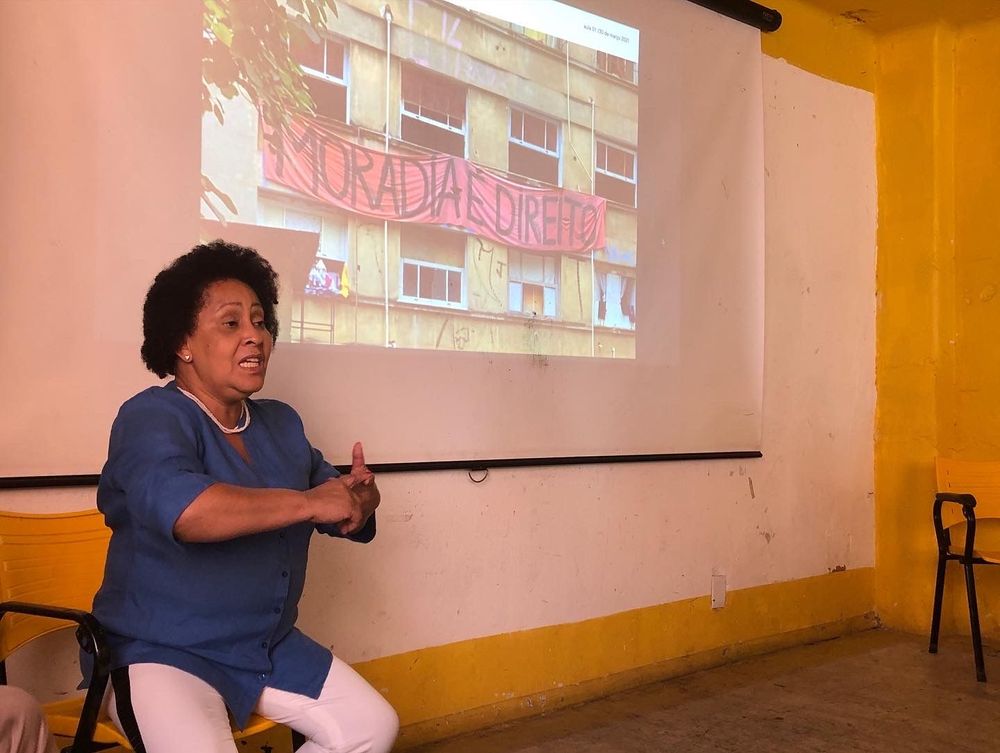
- Partners: MSTC - Movimento Sem Teto do Centro, FAU Mackenzie and Fio Assessoria
- Speakers: Carmen Silva, Fio Assessoria, Pedro Alban, Guilherme Trevizani e Ana Paula Koury
- Photo: © RUÍNA Arquitetura
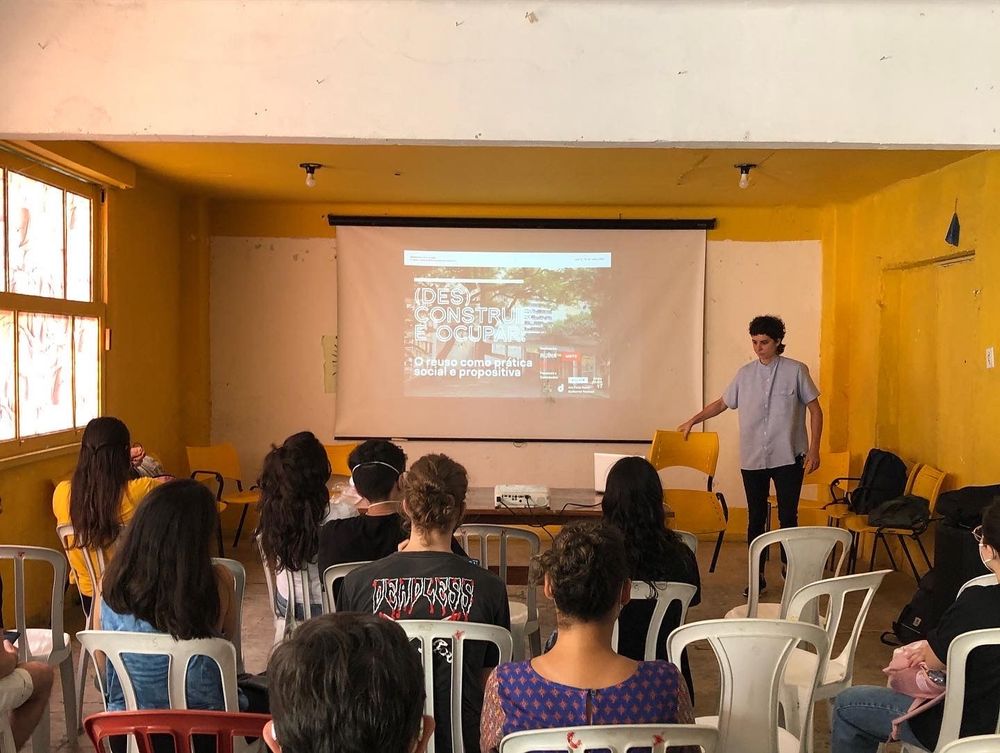
(De)construct and Occupy: reuse as a social and purposeful practice
Brazil and a large part of the Global South live a reality where reutilization is not just an alternative but a necessity in response to latent socio-economic limitations. The woes affecting these territories are a direct product of development on a global scale, not a symptom of supposed underdevelopment. The possibility of overcoming this context lies in promoting radical changes in how we understand development. It is crucial to observe how reutilization initiatives in these contexts have developed autonomy not only in creative dimensions but primarily in political dimensions.
In a world of mass extraction, it is increasingly necessary to understand and explore the potential of demolition as a field of action for architecture in urban contexts, as we recognize our social and environmental responsibility as an integral part of the planet.
"(De)construct and Occupy: Reuse as a Social and Purposeful Practice" is the result/process of the research-practice by RUÍNA Arquitetura in partnership with MSTC - Movimento Sem Teto do Centro, Fio Assessoria, students and professors from FAU Mackenzie. Its purpose is the construction of an ecumenical space in the free area of the 9 de Julho Occupation in the Bela Vista neighborhood, in São Paulo - Brazil.
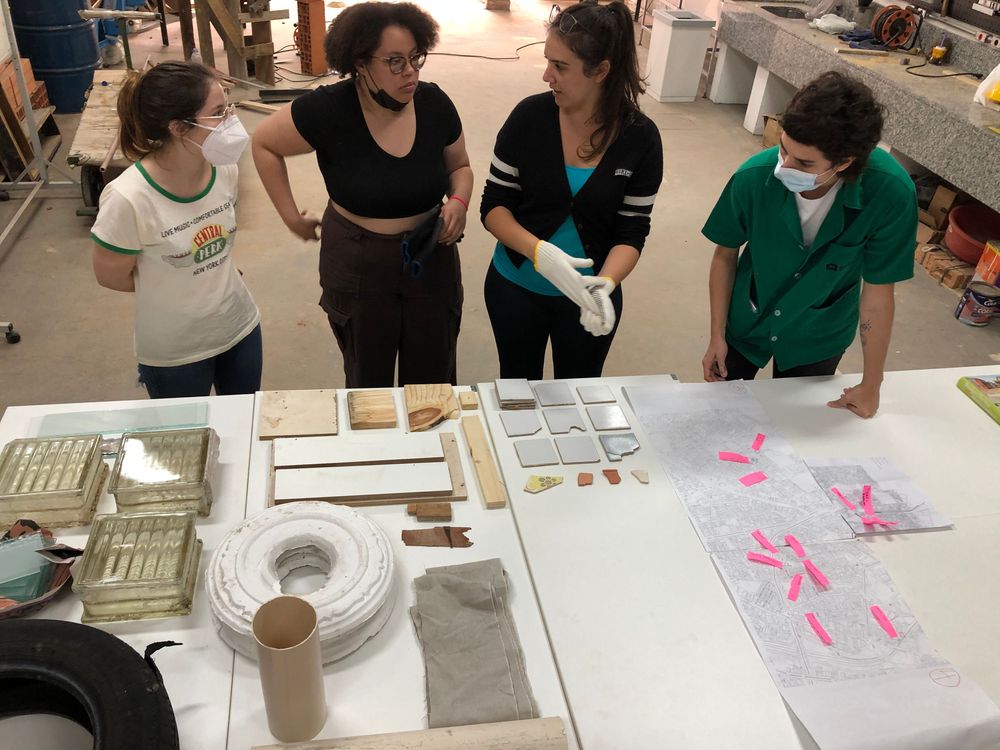
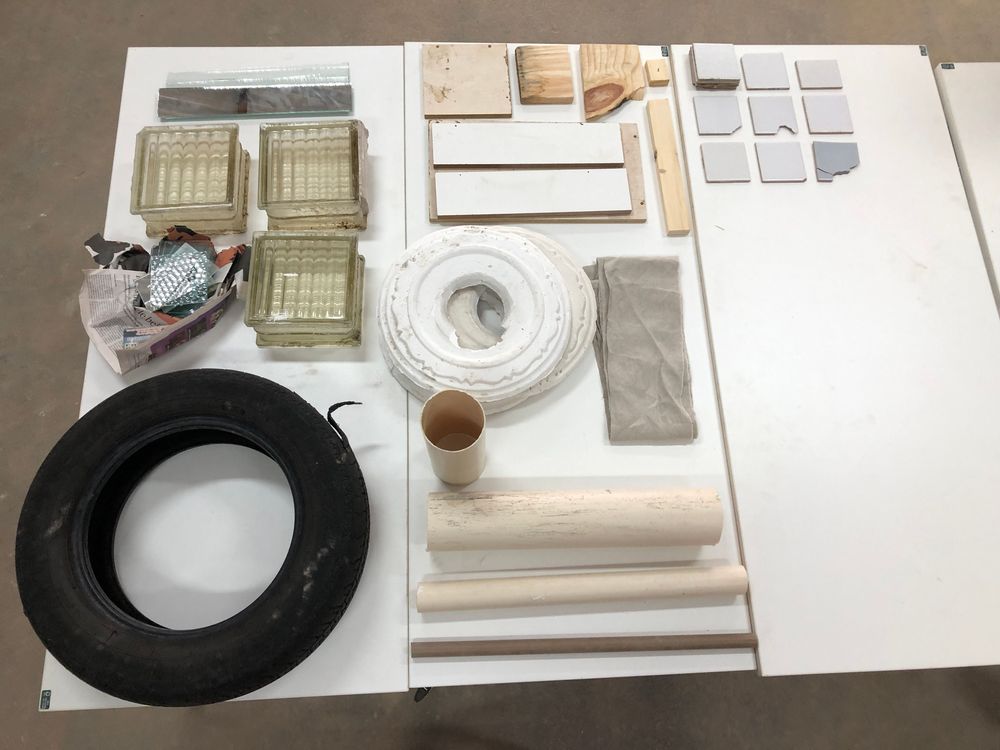
The task was to research forms of appropriation and reuse of discarded materials in the urban context, recognizing them as abundant urban mines, not only of discarded raw materials but also of energy from their processing and transformation, surpassing the linear model and extraction of natural resources.
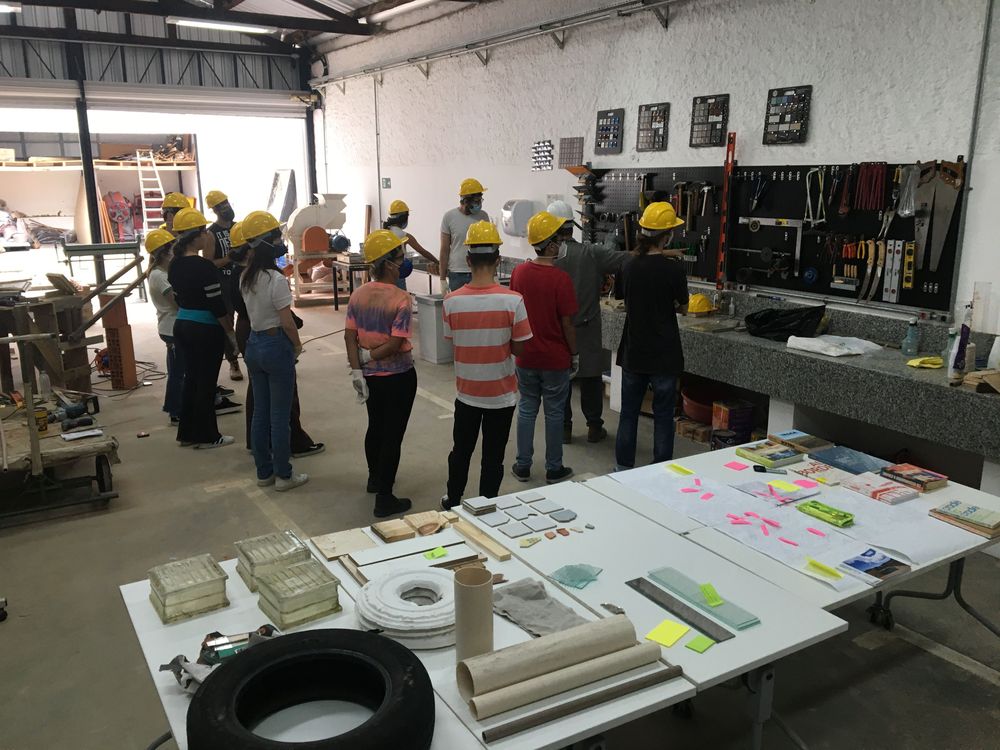
Within this perspective, a pedagogical activity was created for undergraduate and postgraduate students in the Architecture and Urbanism and Design courses at FAU Mackenzie in the form of a Special Topic articulated in three sequential modules started in the first semester of 2022:
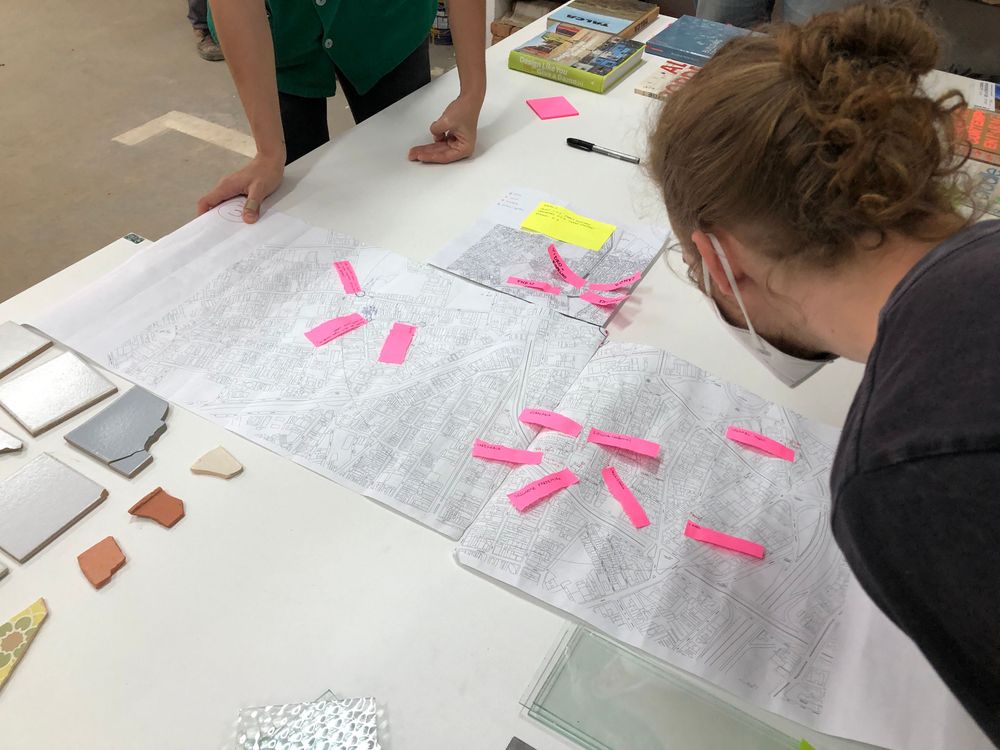
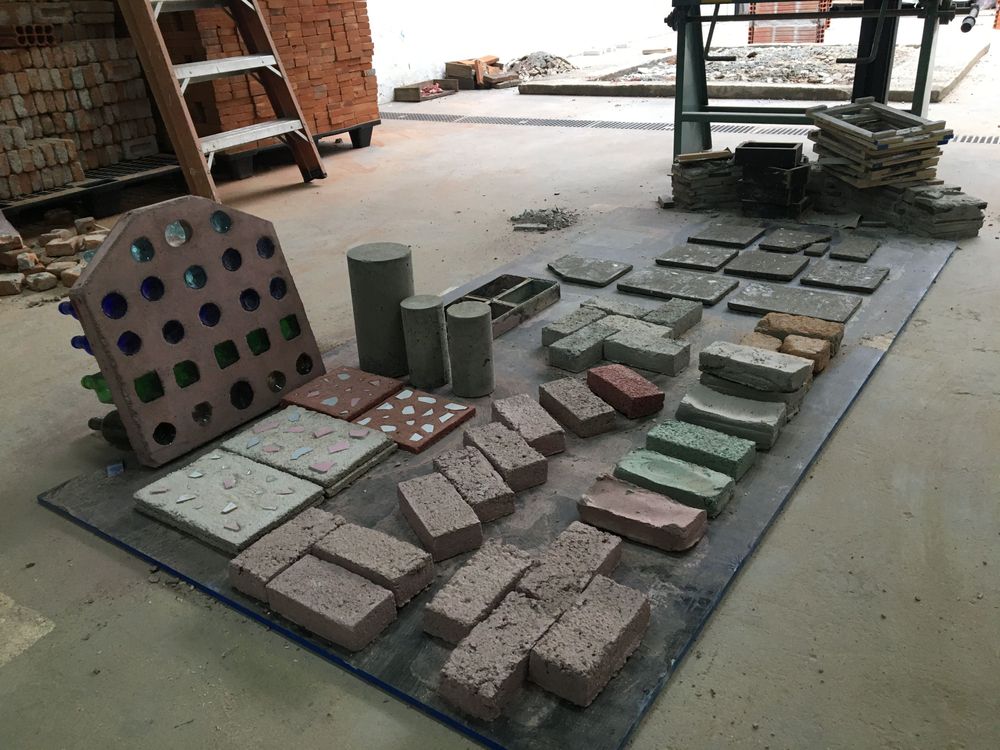
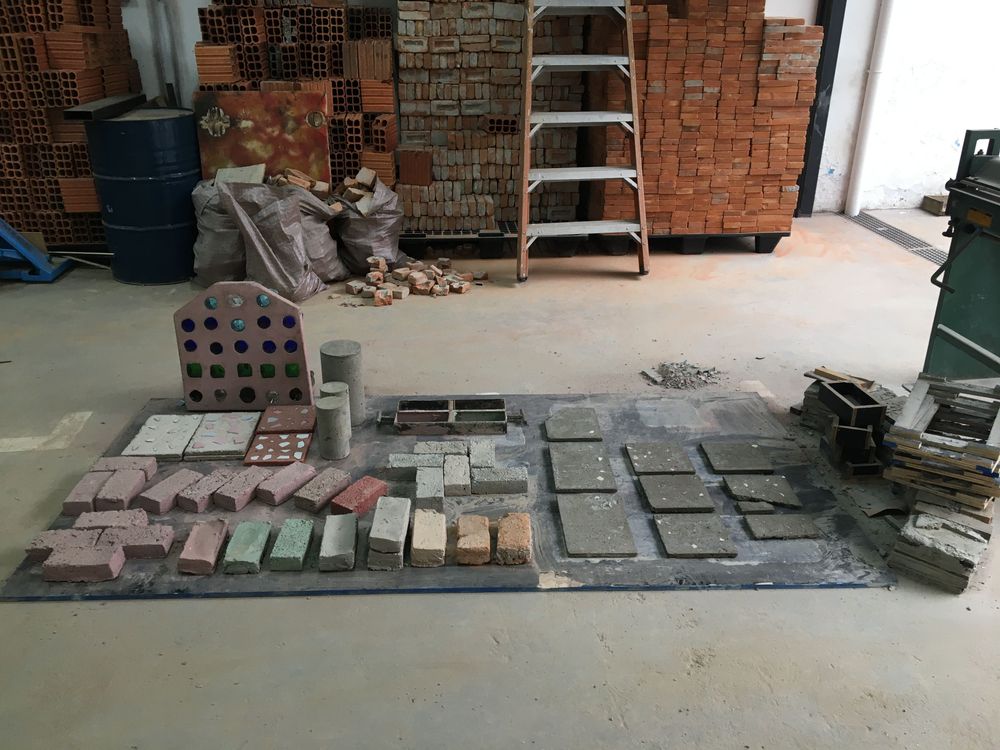
01 - (a) Construction of mapping cartographies of discarded materials within a 1 km radius of the Occupation; definition of the volumes of the materials found; contact with sources and the beginning of establishing supply relationships; (b) cataloging and researching possibilities for the use of available materials; (c) development of on-site experiments using these materials, and (d) construction of a booklet with specifications of tests, quantities, and procedures for the production of construction components, all tested by university laboratories. These booklets resulted in dissemination materials - both printed and digital - of the collectively built knowledge. The results led to the implementation of structural, sealing, opening, and finishing systems, all made with materials found in abundance in the neighboring territory, capable of meeting the stages of conception, budgeting, and construction.
02 - Development of the project, in its preliminary study phase, of the multifunctional spatialization generated by a systemic project consisting of 3 meeting and coexistence points, taking advantage of small existing infrastructures in the space itself. Progress brought new challenges: direct contact with residents, envisioning building cross-experimentations between collective knowledge and desires, and the practical experience of Technical Advisory.
03 - Facilitation of the effective construction of these proposed spaces through collective effort.
At the present moment, module 02 is in the final stages, and there is a forecast for the development and completion of module 03 in the first semester of 2023. The objective of the research-practice, beyond its more pragmatic purpose - meeting the demand for a multi-religious space in the 9 de Julho Occupation - aims to challenge conventional practices in architecture and construction in the face of the Anthropocene and, objectively, to create an accessible and democratic technical framework for the extensive training of students, architects, and non-architects, and especially residents of housing occupations through the practice of reuse and reutilization of materials in construction.
FAU Mackenzie Faculty: Celso Sampaio, Afonso Castro, Antonio Fabiano Júnior, Sasquia Obata, and Éder de Sousa
FAU Mackenzie Students: Tomaz Neuenhaus Barbosa, Karin Nogueira, Júlia Maria Pierre, Isabela Marques Nascimento, Gabriela de Miranda Papi, Gabriel Gorski Junqueira Paiva, Alessandra Rosa Marques da Silva, Renata Martins Pinheiro, Roberto Costa da Matta, Luiza Fernandes Magalhães, Maria Clara Gabriel Braga Da Silva, Adriel Costa Marinho, Gabriel Isidoro de Abreu do Prado, André Felipe Lemos Marques, Giovanna Kolody Stanjek, Vitória Martins, Larissa Valias Pereira de Souza e Silva, Maíra Vucovix, Laura Soldati Perez, Eric Oliveira Castro, Giovanna Nascimento Stella