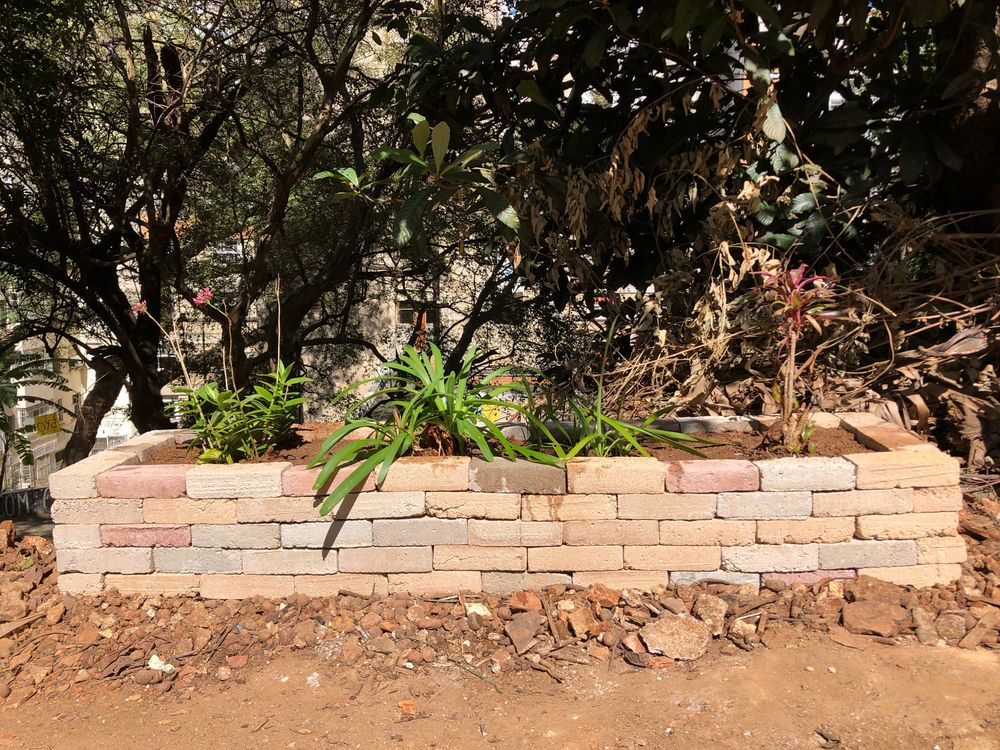
9 DE JULHO OCCUPATION GARDEN
- Year: 2021
- Location: São Paulo, Brazil
- Partners: MSTC - Movimento Sem Teto do Centro and FAU Mackenzie
- Photo: © RUÍNA / ©Edouard Fraipont
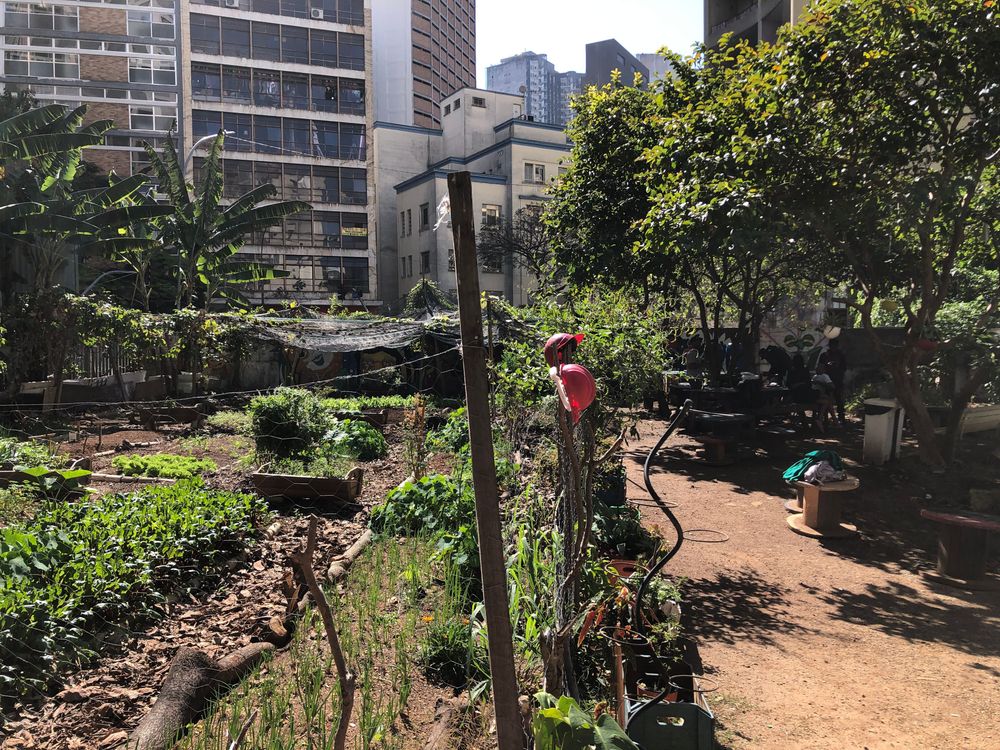
9 de Julho Occupation Garden
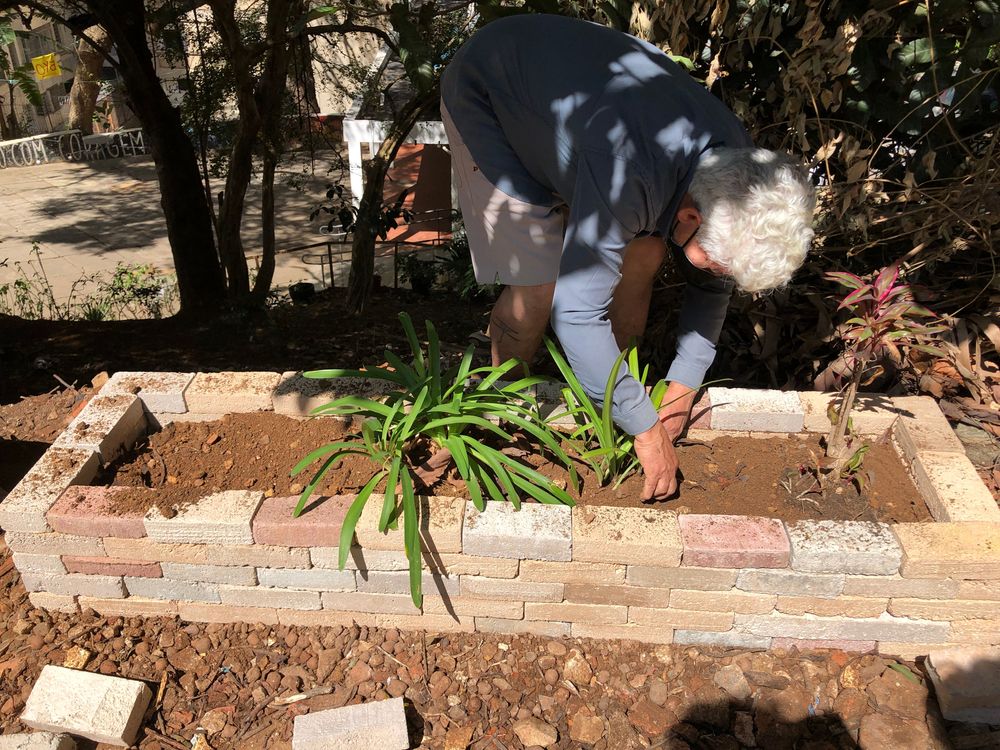
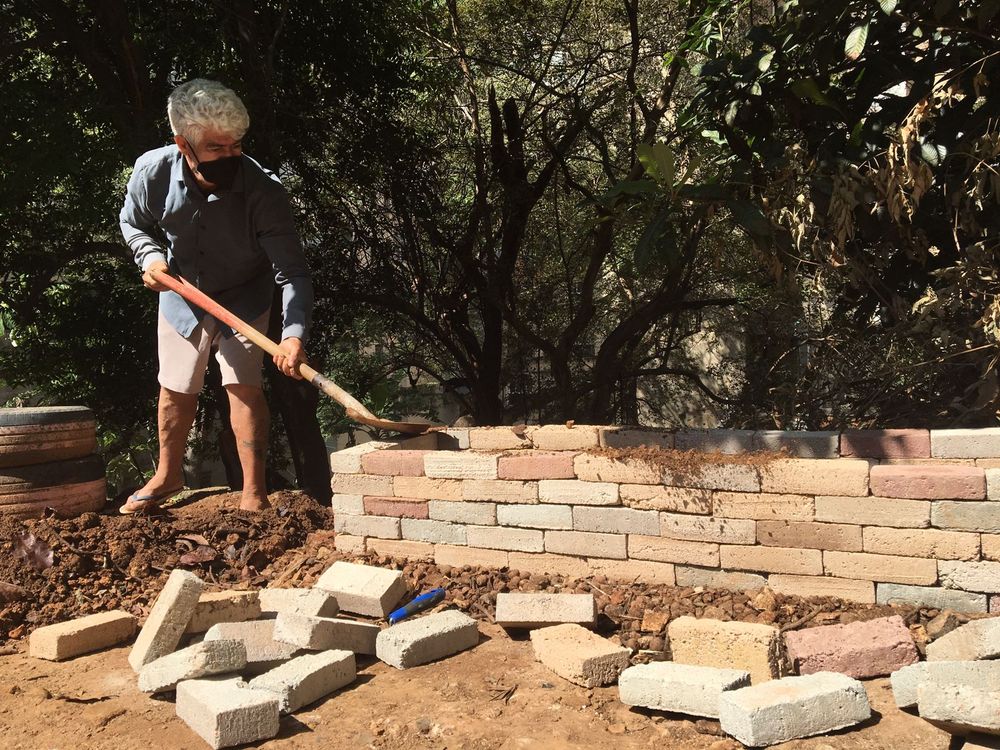
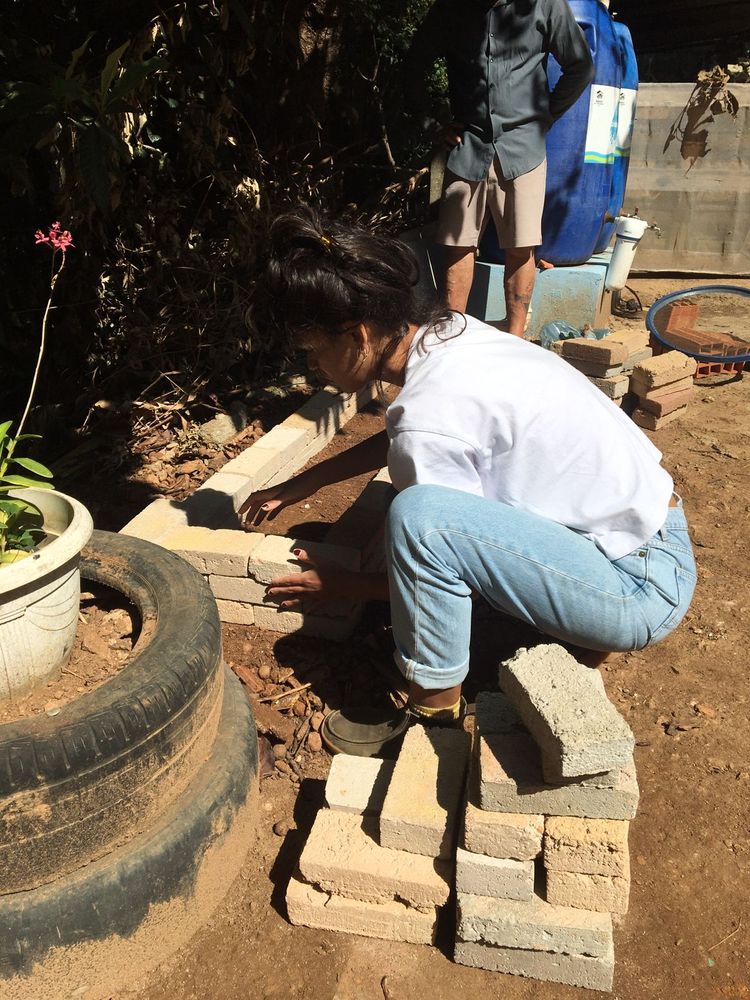
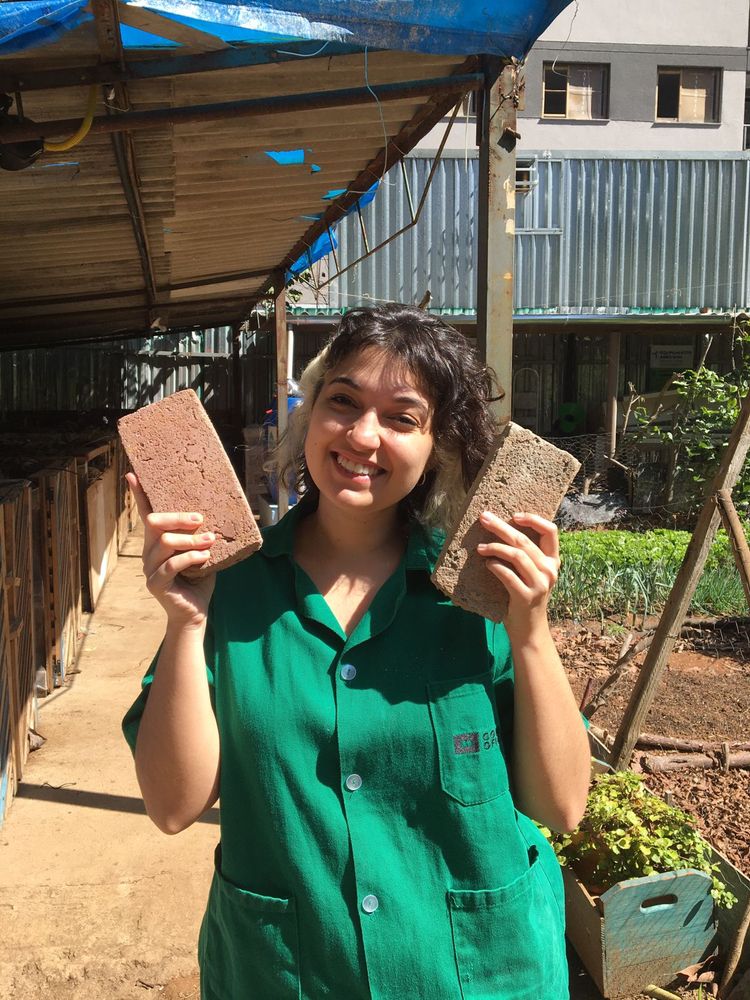
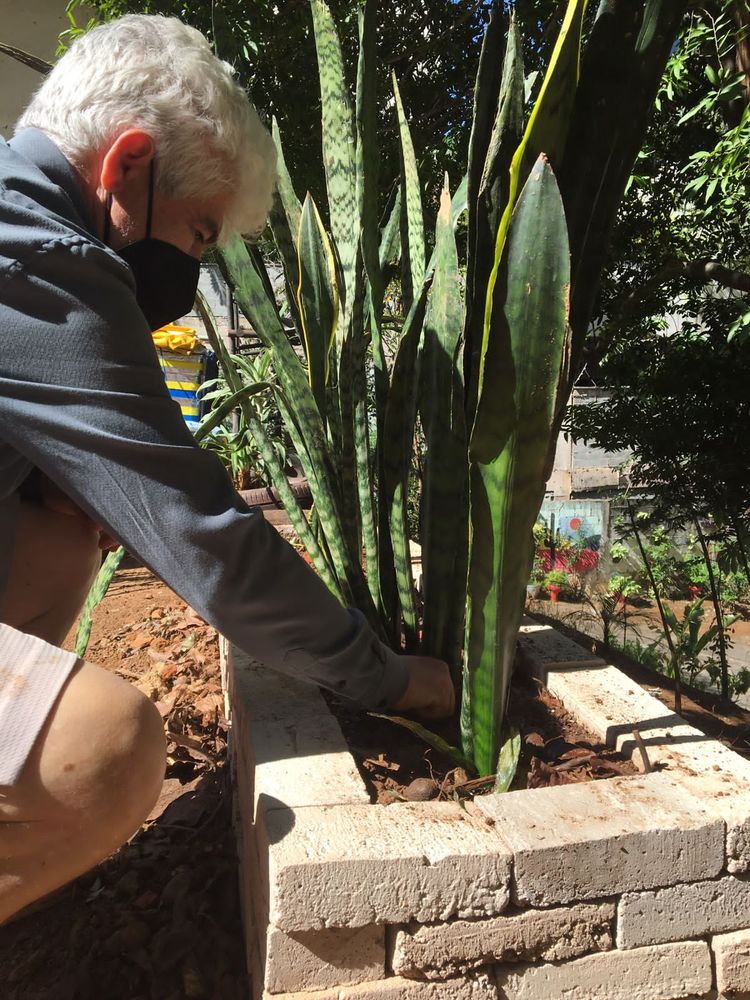
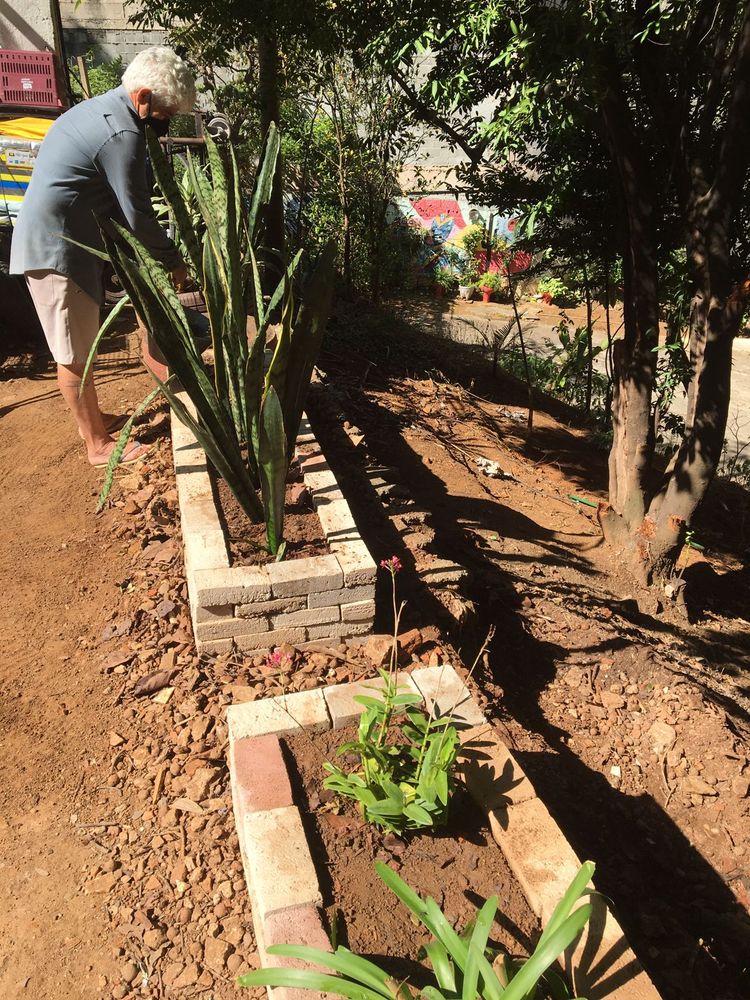
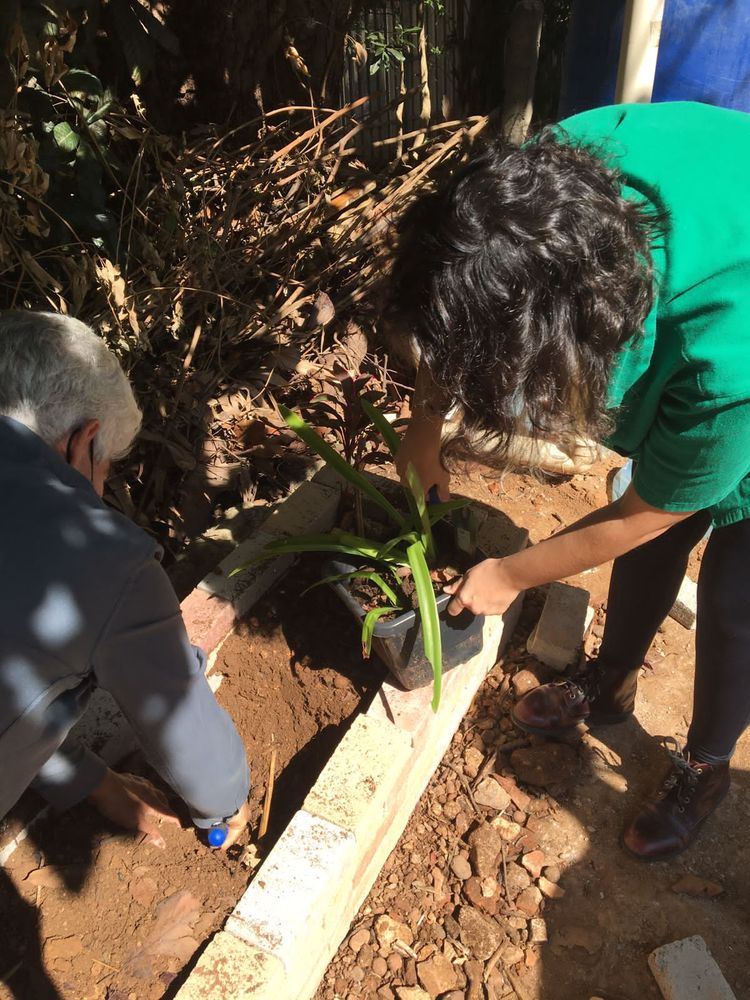
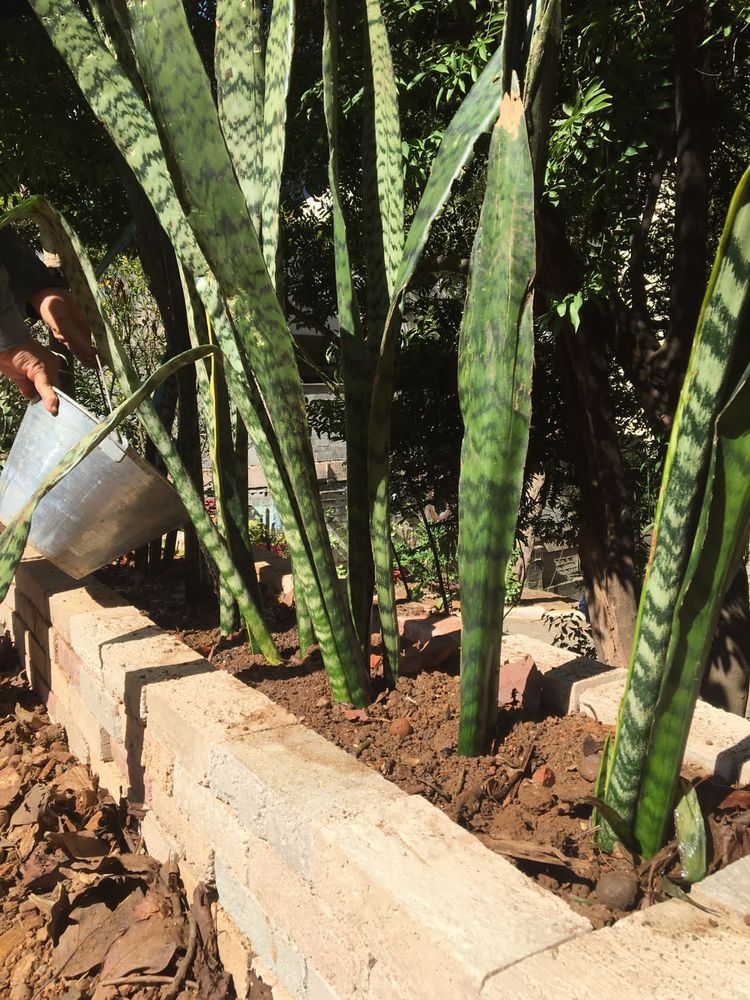
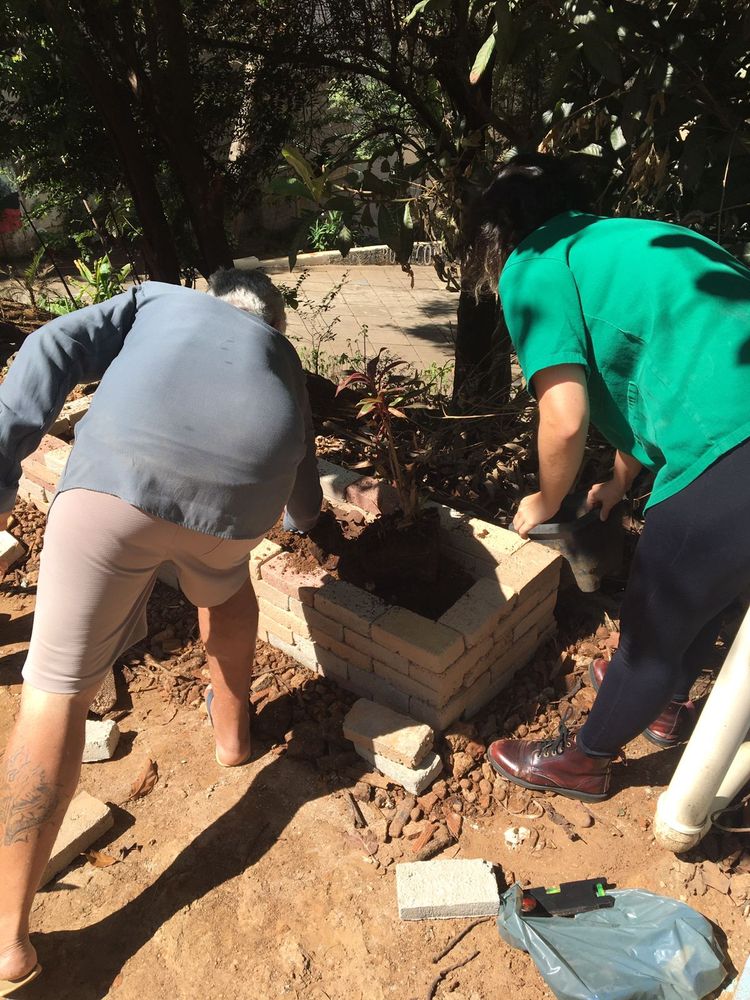
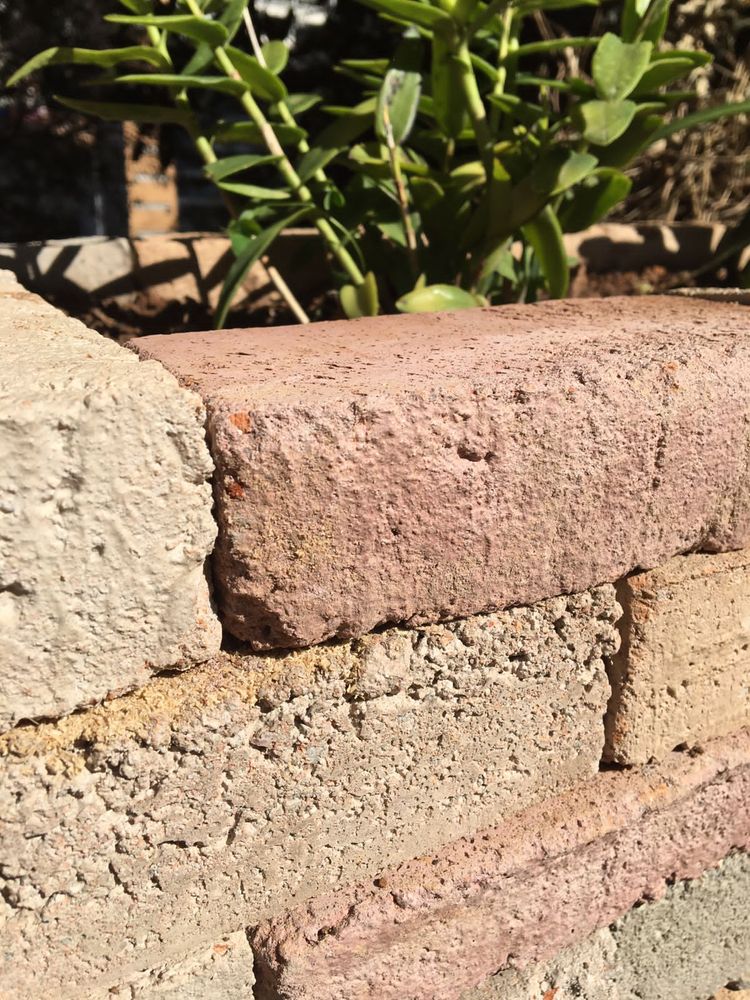
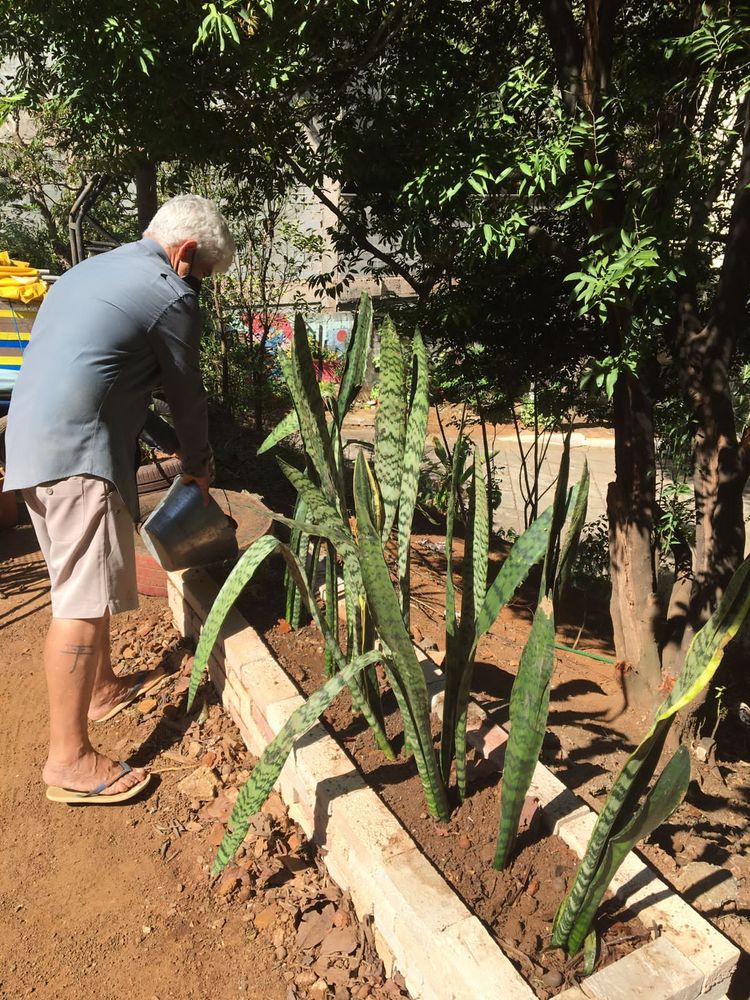
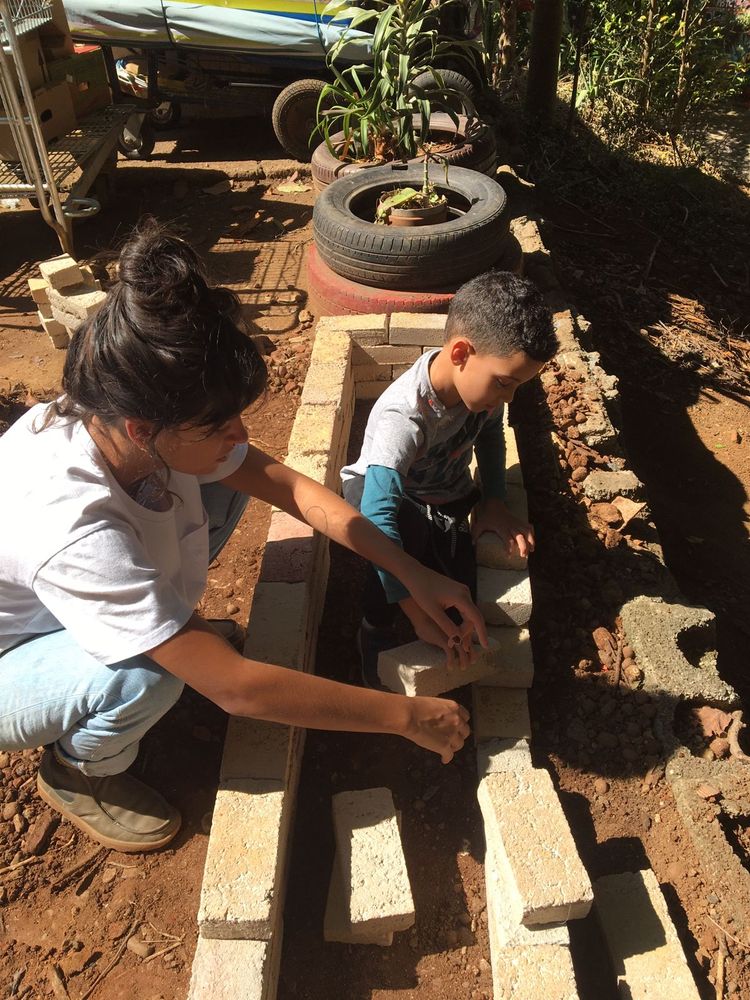
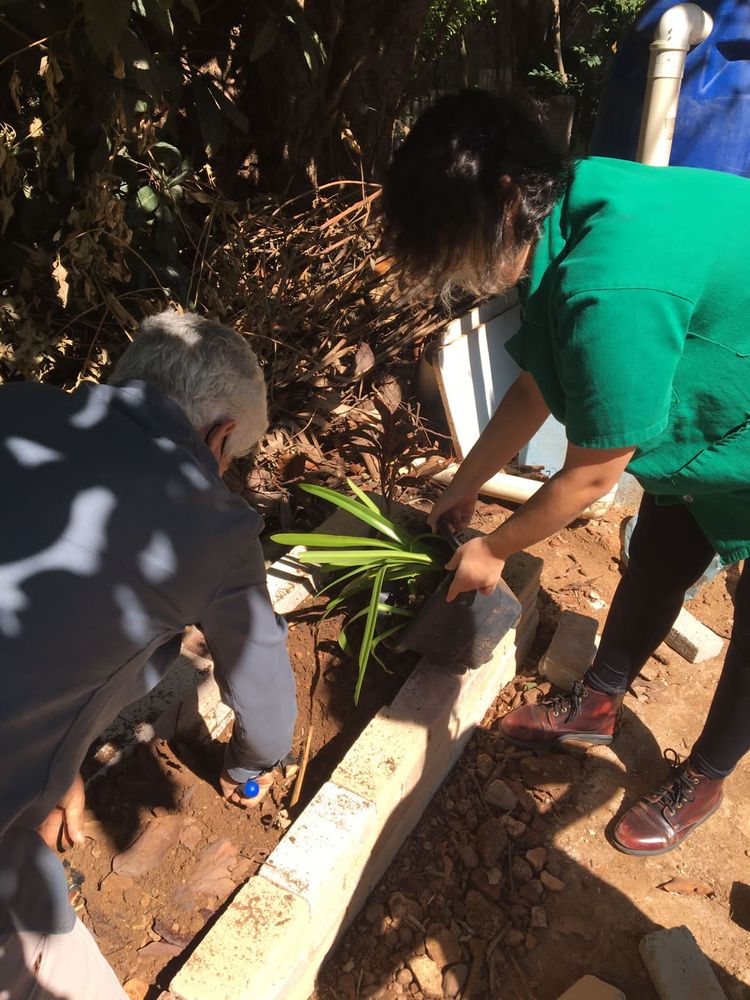
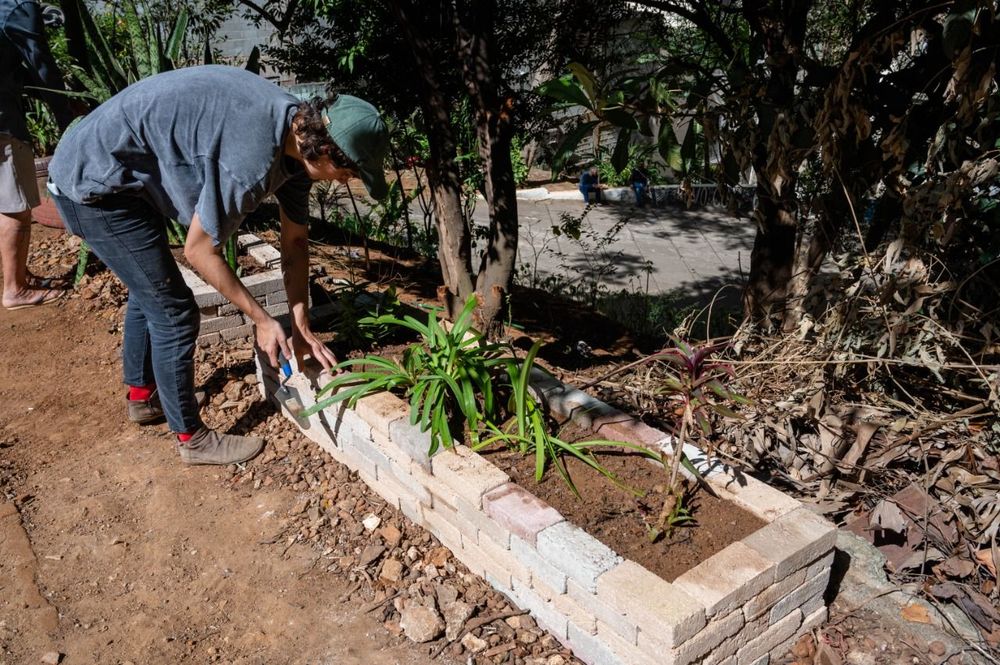
As a result of the previously conducted activity in the Experimental Building Laboratory at FAU Mackenzie in partnership with the 9 de Julho Occupation, RUÍNA Arquitetura proposed a practical activity using debris bricks developed with students during the course "(De)construct and Occupy: reuse as a social and proactive practice" for the construction of two planters in the Occupation's garden. The activity involved external participants and residents of the 9 de Julho Occupation.
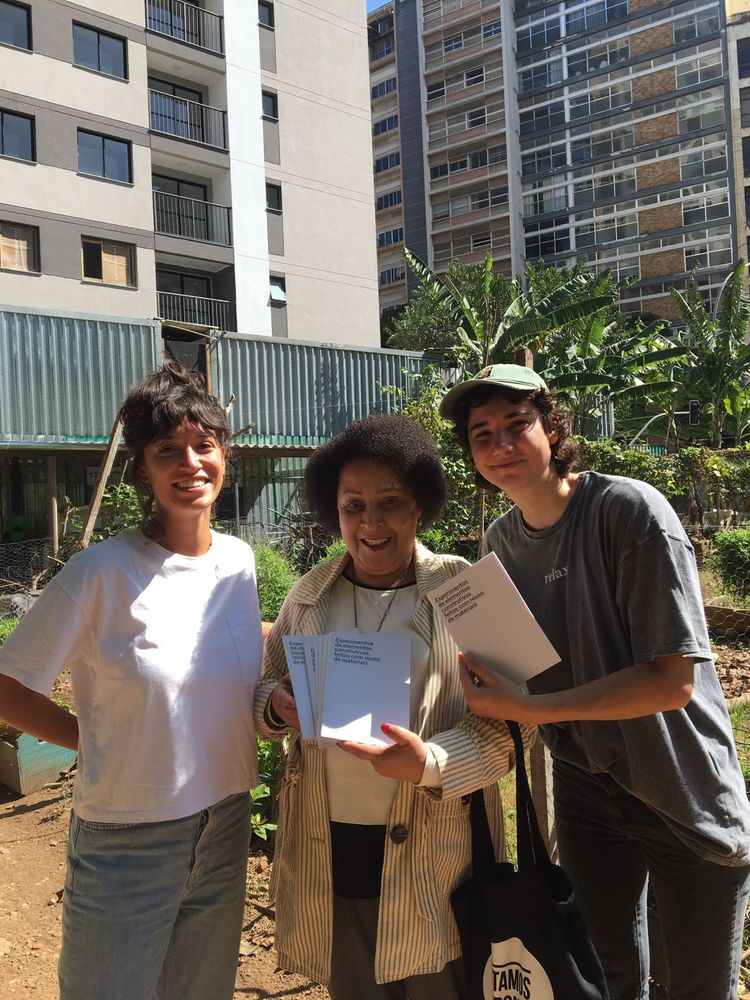
On the same day, Manuals detailing the step-by-step processes developed during the "(De)construct and Occupy: reuse as a social and proactive practice" course in the first semester of 2022 were distributed.
From March to June 2022, RUÍNA conducted a course at FAU Mackenzie titled "(De)construct and Occupy: reuse as a social and proactive practice." It was an elective course offered to undergraduate and postgraduate students in Architecture and Urbanism and Design, in collaboration with professors Celso Sampaio, Afonso Castro, Antonio Fabiano Júnior, Saskia Obata, and Éder de Sousa, along with the 9 de Julho Occupation - MSTC. Approximately twenty students participated in the course, with the Experimental Building Laboratory serving as the classroom.
Throughout the course, students were invited to complete four tasks: 01 mapping various discarded or underutilized materials within a 1km radius of the 9 de Julho Occupation, 02 selecting materials to work with based on the premise of reuse (without processing) or recycling (with processing), 03 developing prototypes of possible construction systems using these materials, and 04 producing a manual with a didactic step-by-step guide to all processes developed in the topic, intended for the residents of the Occupation. Our objective was to raise awareness and stimulate students' understanding of hegemonic production chains based on the linearity of processes. We aimed not only to encourage reflections but also to propose alternative approaches within the practice of architecture, aligning with the themes of reuse and self-construction in housing occupations in downtown São Paulo.